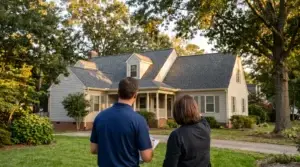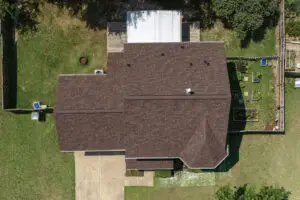
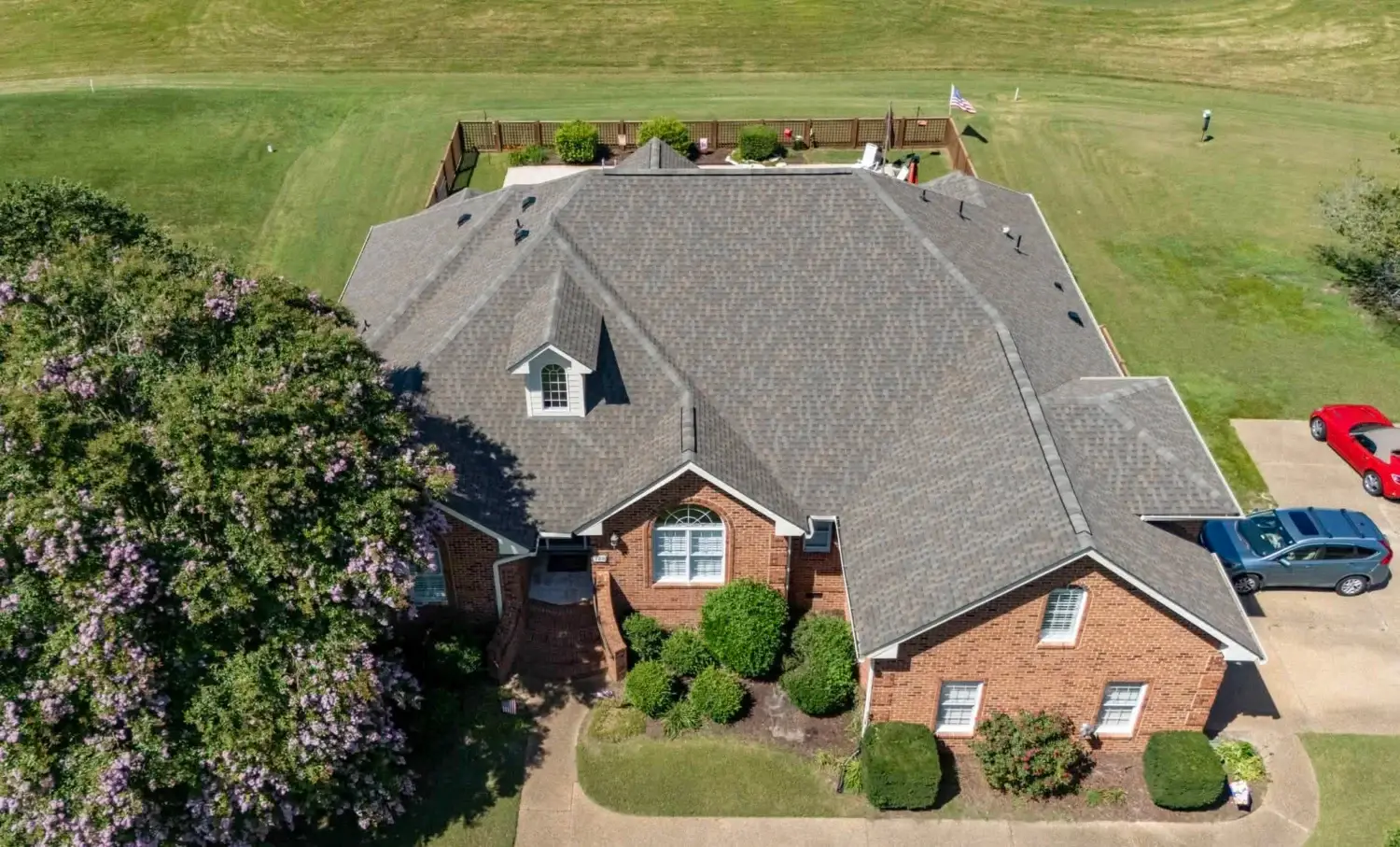
The storm finally moves out, the power comes back on, and you walk out to the driveway to look up at your roof. Everything looks fine. No shingles in the yard, no holes, no obvious problems. So you go back inside and get on with your week.
That moment is where a lot of hurricane roof damage in Virginia gets missed. Most of what a tropical storm does to a roof is small, hard to see from the ground, and slow to show up inside. A shingle that lifted and settled back down, a bent strip of flashing. None of it looks like much until the next heavy rain finds it.
Here in Hampton Roads, we don’t need a direct hit for this to happen. Here’s what hurricane season does to a roof, what to look for, and what to do about it.
Key Takeaways
- Atlantic hurricane season runs June 1 through November 30, and storms that never make landfall here can still bring damaging wind and rain to southeastern Virginia.
- Wind damage often starts small: lifted or creased shingles, loose flashing, and damaged ridge caps that are hard to spot from the ground.
- Wind-driven rain and trapped moisture can damage the wood decking under your shingles long before you see a ceiling stain.
- After a storm, stay off the roof, take photos from the ground, and schedule a professional inspection as soon as it’s safe.
- Your insurance carrier and your policy decide coverage. A roofer’s job is to document the damage clearly and accurately.
- The best time for hurricane roof preparation is before a storm is in the forecast.
How Hurricane Season Affects Virginia Roofs
Atlantic hurricane season officially runs from June 1 through November 30. According to NOAA, activity peaks around September 10, but storms can form anytime during the season.
Virginia doesn’t experience direct hurricane landfalls as often as states farther south, but that doesn’t mean we’re protected from tropical storms. Storms that make landfall in North Carolina or travel up the Atlantic coast can still bring damaging winds, heavy rainfall, and coastal flooding to Hampton Roads. Even storms that weaken before reaching Virginia can cause significant roof damage.
Hurricane Isabel in 2003 is a good example. The National Weather Service office in Wakefield reported tropical-storm-force winds, with gusts near or above hurricane strength, across an unusually wide area of Virginia, North Carolina, and Maryland. You don’t need the eye of a storm overhead to lose shingles.
How Hurricanes Actually Damage a Roof
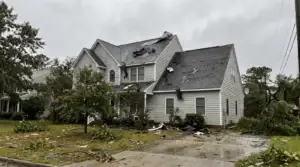
When people think about roof storm damage in Virginia, they picture a tree crashing through the ceiling. That can happen, but plenty of storm damage is much harder to spot.
Wind uplift
As wind moves over your roof, it creates pressure that pulls upward on the shingles. The edges, corners, and ridge (the peak where two roof slopes meet) are especially vulnerable. Asphalt shingles have an adhesive strip that bonds each one to the shingle below it. Strong winds can break that seal and lift or bend the shingles. Sometimes a shingle tears off completely. Other times, it settles back into place, making the roof look normal from the ground. However, the shingle may have a weakened seal, creasing, or other damage that makes it more vulnerable during the next storm.
Wind-driven rain
Hurricane rain gets pushed sideways and even upward, under shingles and behind flashing (the metal pieces that seal around chimneys, vents, and walls), into gaps a regular storm would never reach.

Debris and trees
Limbs, loose siding, and patio furniture can turn into projectiles. Even a small branch can crack shingles or puncture the roof.
Trapped moisture
This is the one homeowners don’t see coming. Once water gets under the shingles, it can soak into the decking, the plywood or wood boards your roof is built on. Add the heat and humidity we experience in Hampton Roads, and trapped moisture can encourage mold growth and eventually lead to wood rot if the problem isn’t addressed.
Signs of Wind Damage to Your Roof
You can check a lot of this from the ground with binoculars or your phone’s zoom. Look for:
- Missing shingles or exposed underlayment or bare wood
- Shingles that look lifted, curled, or creased across the middle
- Damaged or missing ridge caps along the peak of the roof
- Bent, loose, or missing flashing around chimneys, vents, and skylights
- Piles of shingle granules (the sandy coating) in gutters or at downspouts
- Damaged gutters, soffit, or fascia (the trim boards along your roofline)
Then check inside for new ceiling stains, peeling paint, or sagging drywall. In the attic, look for damp insulation, water marks, daylight, or a musty smell.
Creased shingles and broken seals can be difficult to spot from the ground. A professional roof inspection can help identify hidden damage and determine whether repairs are needed.
Hurricane Roof Damage in Virginia: What to Do After the Storm
Here’s the order I’d follow.
- Stay safe first. Watch for downed power lines and hanging limbs. Don’t climb on the roof.
- Document everything. Take dated photos and video of the roof, debris, gutters, and any interior leaks.
- Limit further damage. Put buckets under drips. If water is actively coming in, call a roofer about temporary tarping instead of going up yourself.
- Schedule a roof inspection after a hurricane. Even if everything looks fine, a professional check catches problems before they turn into leaks.
- Contact your insurance company. Review your policy and report the damage according to its requirements.
On insurance, I’ll be straightforward: your carrier and your policy decide what’s covered, not your roofer. What we can do at Bucon Roofing is inspect the roof and provide clear documentation of what we find, with photos and notes that may help support your claim. You can read more about how our insurance claim documentation assistance works.
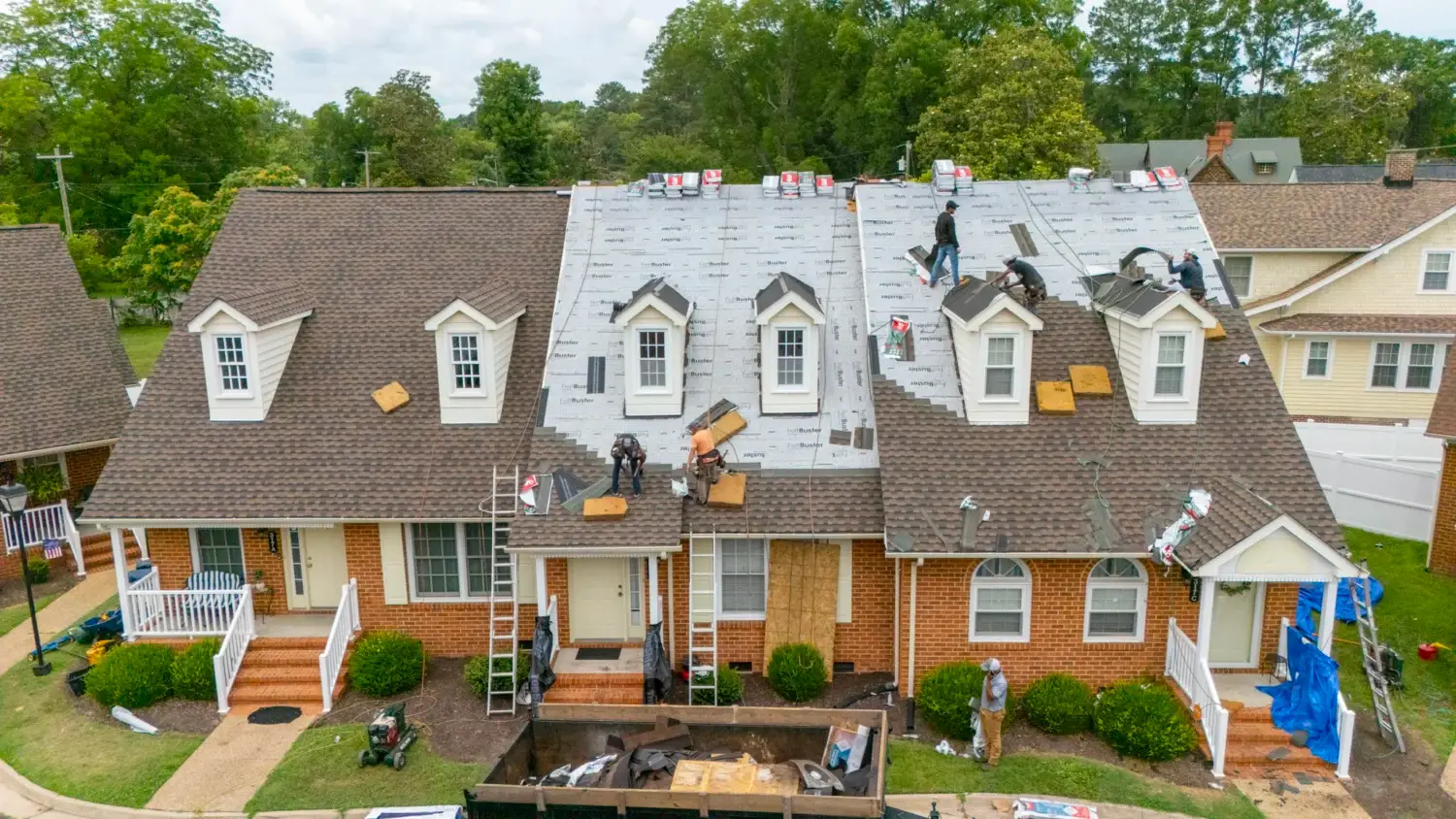
Depending on what the inspection shows, you may need a few repairs or a full replacement. If you’re weighing those two options, our guide on roof repair vs. roof replacement walks through how to decide.
Hurricane Roof Preparation Before the Next Storm
The best time to prepare is before a storm is anywhere near the forecast. Once a hurricane watch is posted, everyone is scrambling at once.
- Get an inspection before peak season. Loose or damaged shingles are more likely to fail in high wind.
- Clean your gutters and downspouts. Leaves and debris can block drainage, causing water to overflow and collect around vulnerable areas of the roofline.
- Trim trees near the house. Cut back limbs that hang over the roof or could fall on it.
- Secure outdoor items. Bring in or tie down furniture and grills.
- Ask about roof-to-wall connections. Ready.gov’s hurricane guidance recommends straps or clips that fasten the roof securely to the home’s frame to reduce roof damage.
- Take “before” photos. Photos of your roof in good shape make it easier to show what changed.
If your roof is older or keeps having problems, talk through your options before next season. Financing is available for qualified homeowners if a larger project makes sense.
Frequently Asked Questions
Does homeowners insurance cover hurricane roof damage in Virginia?
It depends on your specific policy and carrier. Some policies handle wind or named storm damage differently, including separate deductibles, so read your policy or call your agent. Your carrier makes the coverage decision, and a roofer can document the damage to help support your claim.
How soon should I get a roof inspection after a hurricane?
As soon as it’s safe. Small openings let more water in with every rain, and moisture damage gets worse with time. Your policy may also have requirements for reporting damage promptly.
Can my roof be damaged even if it looks fine from the ground?
Yes. Wind can break the seal on shingles or crease them without tearing them off, and they often lay back down looking normal. Loose flashing and small punctures are also hard to see from below. A professional inspection can help identify damage that isn’t visible from the ground.
When is hurricane season in Virginia?
The Atlantic hurricane season runs June 1 through November 30. NOAA identifies the peak around September 10, but storms can affect southeastern Virginia anytime during the season.
Get Your Roof Checked Before the Next Storm
Hurricane roof damage in Virginia doesn’t always announce itself. Sometimes it’s a missing shingle, and sometimes it’s a broken seal that leaks months later. Knowing where your roof stands beats guessing.
Bucon Roofing is a Class A licensed and insured residential roofing company based in Windsor, serving homeowners across Hampton Roads. We’ll take a look and give you an honest answer. Learn more about our storm damage roofing services, or schedule your free roofing estimate today.