
You just found out you need a new roof, and the first thing on your mind probably isn’t shingle color. It’s the bill. Most homeowners we meet across Hampton Roads don’t have the full cost of a roof sitting in savings, and that’s normal.
Roof replacement financing in Virginia gives you several ways to spread that cost out. Here are your roof replacement payment options the way we’d explain them at your kitchen table: how each one works, who it fits, and what to check before you sign.
Key Takeaways
- Storm damage? Start with insurance. Your carrier and your policy decide what’s covered.
- The main roofing financing options are contractor financing, home equity loans and HELOCs, personal loans, and government-backed programs.
- Compare APR and total cost, not just the monthly payment.
- Verify the license and get a written contract before you sign any loan paperwork.
What Drives Roof Replacement Cost in Virginia
Nobody can give you an honest price without looking at your roof, so be careful with any number you get over the phone. Roof replacement cost in Virginia comes down to a handful of things:
- Size and pitch. Roofers measure in “squares.” One square is 100 square feet of roof surface. Steeper roofs take more labor.
- Material. Architectural asphalt shingles and metal sit at very different price points.
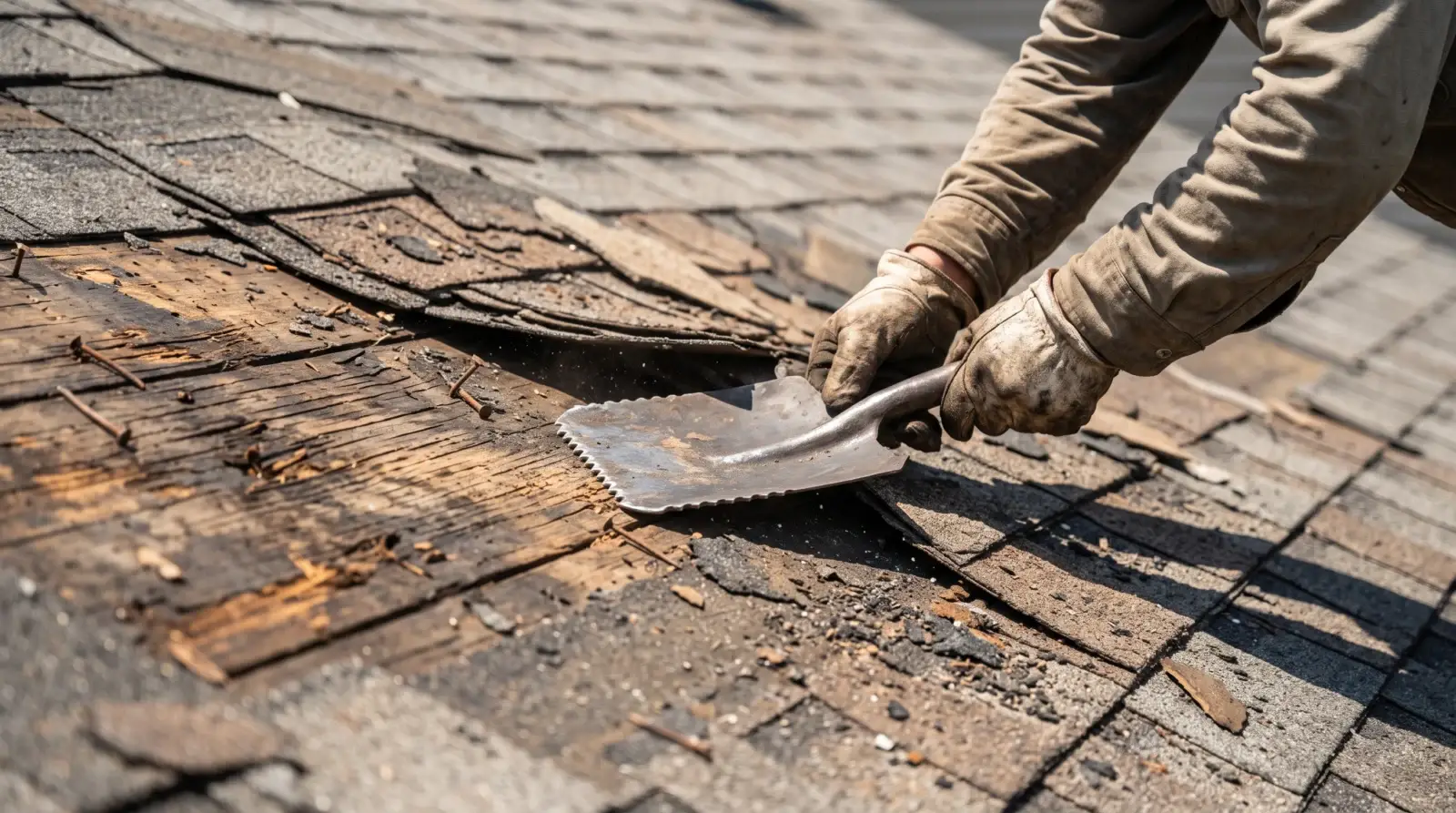
- Decking. This is the wood under your shingles. Rotted sections have to be replaced, and often nobody can see them until the old roof comes off.
Start With Insurance If a Storm Caused the Damage
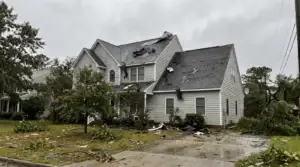
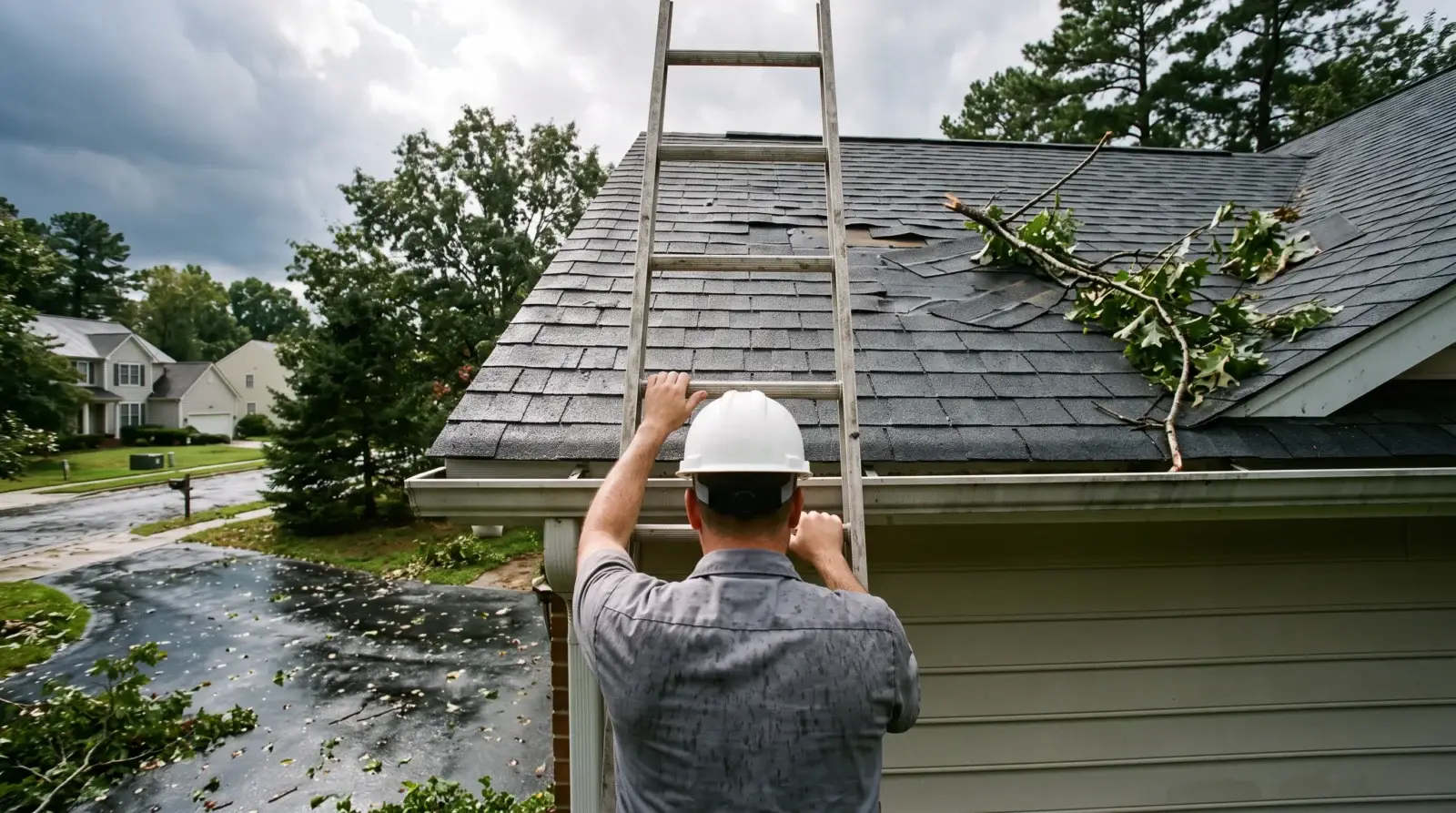
If wind, hail, or a fallen tree damaged your roof, look at insurance before you look at loans. Homeowners policies are generally written for sudden damage, not for a roof that has simply worn out. Only your insurance carrier can decide what your policy covers and whether a claim is approved.
Even with an approved claim, two things on your policy affect what you pay out of pocket:
- Your deductible. Virginia’s Bureau of Insurance points out in its homeowners guide that some policies carry a separate wind or hurricane deductible, written as a flat dollar amount or as a percentage of the coverage on your home. For example, a 2% deductible on a home insured for $300,000 makes the first $6,000 of the loss yours. In a coastal region like ours, read that line before storm season, not after.
- How the claim is paid. With replacement cost coverage, the insurer usually makes a first payment based on actual cash value, which is replacement cost minus depreciation. The rest is typically paid after the work is done.
Those gaps are a common reason homeowners finance part of an insurance job. We can inspect the roof and document the damage through our insurance claim documentation assistance, but no contractor can promise you a claim outcome.
Roofing Company Financing
Many roofers offer financing through a lending partner. You apply, the lender reviews your credit, and if you’re approved, you repay the lender monthly.
Bucon Roofing offers financing options for qualified homeowners, and we go over them when we review your estimate with you. Whether you’re looking at roofing company financing in Hampton Roads through us or anyone else, ask the same questions:
- What is the APR, and is it fixed?
- How long is the term, and what will I pay in total?
- Is a promotional offer deferred interest? With some promotions, interest is charged back to day one if the balance isn’t paid off by the end of the promotional period.
- Is there a penalty for paying the loan off early?
Home Equity Loans and HELOCs
If your home is worth more than you owe on it, you can borrow against that equity.
- A home equity loan pays out a lump sum, typically at a fixed rate with a fixed monthly payment.
- A HELOC (home equity line of credit) works more like a credit card. You draw what you need up to a limit, and the rate is usually variable, so your payment can change.
Because the loan is secured by your house, rates tend to be lower. That is also the risk: your home is the collateral. These loans can take longer to close than unsecured financing because the lender may need to verify your home’s value and complete additional underwriting.
Personal Loans and Credit Cards
A personal loan from a bank, credit union, or online lender doesn’t use your home as collateral. You get a fixed rate, a fixed term, and usually a quick decision. The tradeoff is cost: rates depend heavily on your credit and generally run higher than home equity borrowing.
Credit cards are usually the most expensive way to carry a balance. They can make sense for a small amount you’ll pay off within a few months, but rarely for a whole roof.

Government-Backed Programs Worth Knowing About
Two federal programs can help with home improvement financing for roof replacement.
FHA Title I property improvement loans. These are made by private lenders and insured by HUD. Under HUD’s Title I property improvement loan program, the interest rate is fixed, there’s no prepayment penalty, and loans above $7,500 must be secured by the property. Federal rules cap a single-family loan at $25,000 with terms up to 20 years. You apply through a HUD-approved Title I lender, and not every bank participates.
USDA Section 504 home repair loans and grants. This program is for very-low-income homeowners in eligible rural areas who can’t get affordable credit elsewhere. According to USDA Rural Development’s Virginia home repair program page, loans go up to $40,000 at a fixed 1% rate over 20 years, and homeowners age 62 or older may qualify for grants up to $10,000 to remove health and safety hazards. USDA’s eligibility map shows whether your address qualifies.
How to Compare Monthly Payments for a New Roof
The monthly payment is the number everyone looks at first, and it’s the easiest one to be fooled by. APR (annual percentage rate) is the yearly cost of borrowing, including interest and certain fees. Stretch the term and the payment drops, but the total you pay goes up.
Here’s an illustration with round numbers, not a quote or a rate offer. Borrowing $15,000 at 9% APR:
- Over 5 years: about $311 a month and roughly $3,700 in total interest.
- Over 10 years: about $190 a month and roughly $7,800 in total interest.
Same roof, same rate, and the longer loan costs about $4,100 more. An affordable roof replacement isn’t the one with the smallest payment. It’s the one with the lowest total cost at a payment you can comfortably make.
What to Check Before You Sign
A loan is only as good as the contractor and the contract behind it. Three things protect you in Virginia:
- Verify the license. Look up any contractor on the Virginia Department of Professional and Occupational Regulation (DPOR) license lookup. Bucon Roofing holds a Class A license, the highest of Virginia’s three contractor classes, and we’re insured.
- Get it in writing. Virginia’s Board for Contractors regulations require a written contract for residential work, signed by you and the contractor before work starts or any payment is accepted. It has to state the total cost, the down payment, and the payment schedule.
- Know your cancellation rights. The contract must disclose the parties’ cancellation rights. For qualifying sales solicited at your home, Virginia’s Home Solicitation Sales Act generally gives you until midnight of the third business day after signing to cancel, although exceptions can apply.
Roof Replacement Financing in Virginia: FAQs
Can I finance a roof replacement with bad credit?
Often, yes, though you’ll have fewer choices and will likely pay a higher rate. A local credit union or one of the government-backed programs above may be worth a look. Approval is always up to the lender.
Is it better to finance a new roof or pay cash?
Cash avoids interest, so it’s the cheapest route if it doesn’t empty your emergency fund. Financing may be worth considering when the roof needs to be addressed sooner than your available cash allows. Around here, one heavy rain or windy night can turn a tired roof into a ceiling repair.
Can I finance a roof repair instead of a full replacement?
In many cases, yes. Financing may be available for repairs as well as full replacements, depending on the project. If a repair is the honest answer, you’ll be financing a much smaller number. Our guide to roof repair vs roof replacement explains how to tell.
Can I finance just my insurance deductible?
In many cases, yes. Financing and insurance claims are separate processes, so you don’t need your claim settled before you look at financing options.
Start With a Real Number
Figuring out how to pay for a new roof starts with knowing what the roof will actually cost. We’ll do a professional roof inspection, tell you plainly whether you need a repair or a full roof replacement, and give you a written estimate you can take to any lender you like. Schedule your free roofing estimate with Bucon Roofing or call (757) 647-0518. We’re based in Windsor and serve homeowners throughout Hampton Roads.